
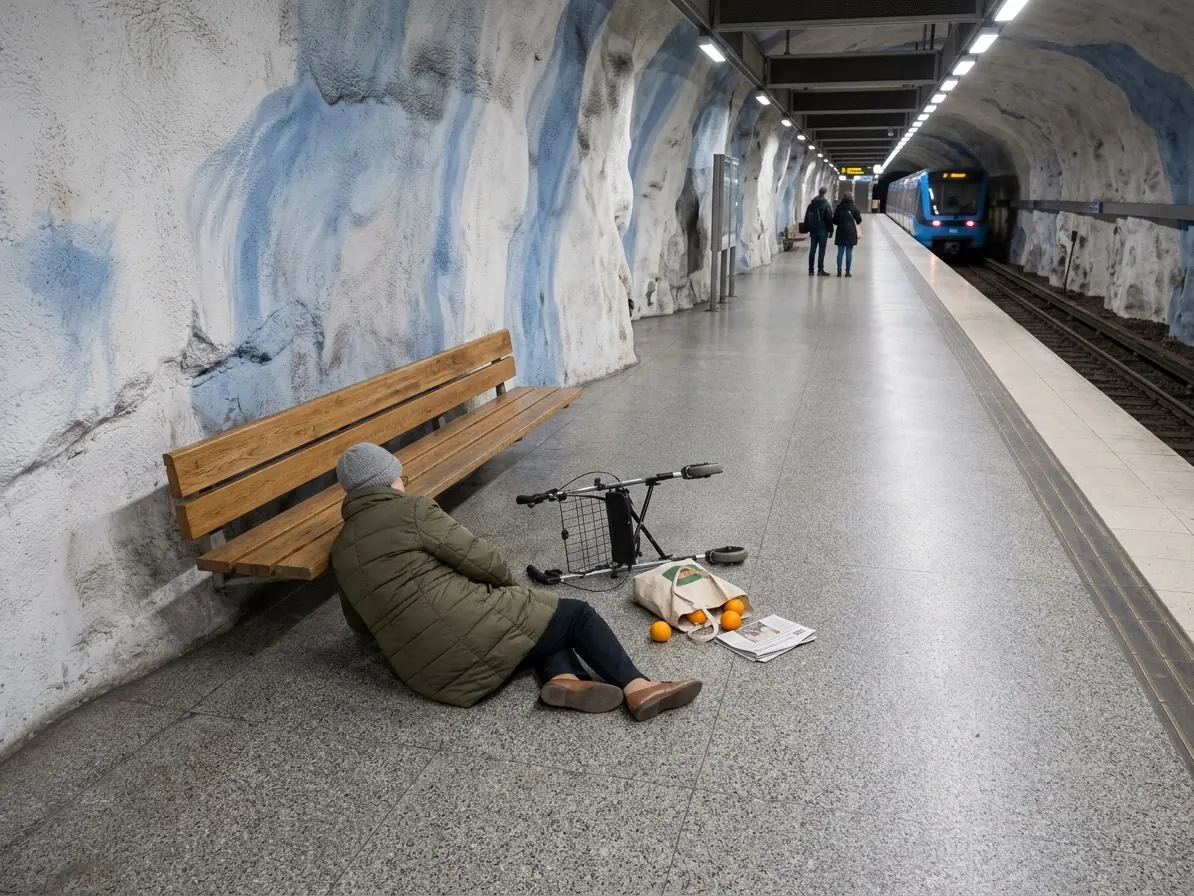
 Welfare
Person Down Detection
A person lying on the ground.
Read More
Conventional video analytics needs months of data collection, labeling and training for each new use case. StreamVLM™ uses a Vision-Language Model that already understands images and language, so a detector you describe in a sentence starts working immediately.
The Long Tail
Every city has a list of things it needs to see that no analytics vendor sells a module for: a person lying on the ground, a damaged fence, illegal dumping behind a depot. Individually none of them justifies a training program. Together they are most of what a municipality actually worries about and the image-led library below brings 24 such conditions together with the camera view and the page that explains each one.
StreamVLM™ closes that gap. An operator writes the condition in plain English, the engine evaluates live camera frames against the prompt and matches raise real-time alerts like any other event. Each camera channel supports multiple simultaneous prompt-based detectors, each with its own confidence threshold, alert cooldown and event type.
StreamVLM™ is included in the standard IREX price: there is no separate license, module, or subscription fee. The only additional cost is a local GPU node for VLM inference where a deployment requires one.
Example
"Alert when a person is lying on the ground." No dataset of people collapsing on platforms exists to train on and collecting one would be neither practical nor decent. A Vision-Language Model does not need one: it already understands the scene, so the prompt is the specification.

Use-Case Library
Explore 24 prompt-defined conditions, each with an illustrative camera image and a dedicated page. A related trained two-wheeler workflow rounds out the visual library.
WelfareA person lying on the ground.
Read More →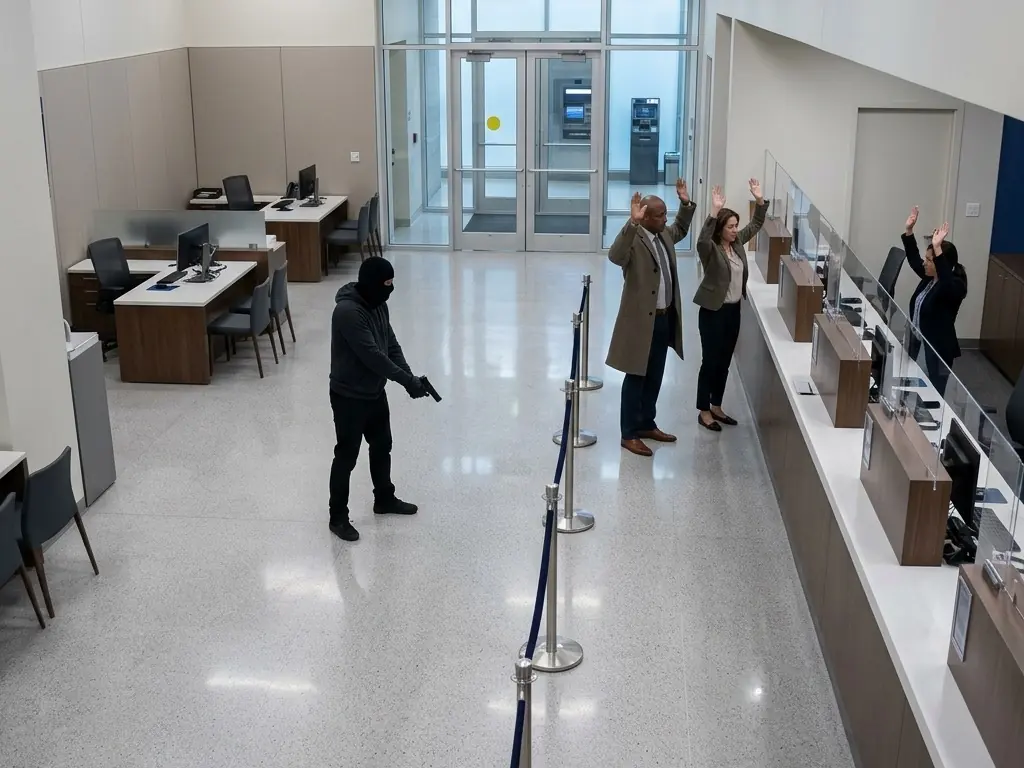 Security
Raised hands during a possible security incident.
Read More →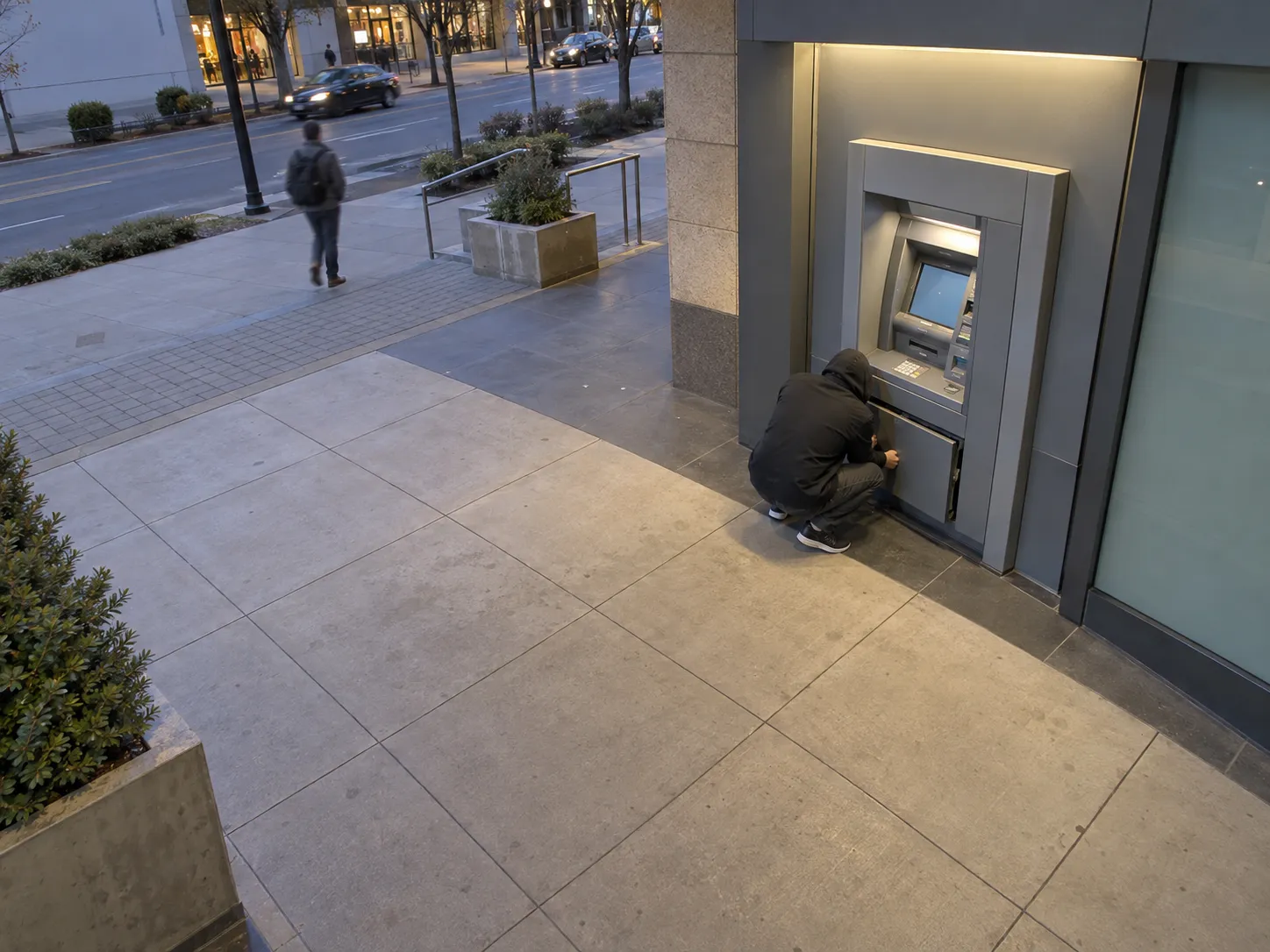 Financial security
Visible interference or a customer under threat.
Read More →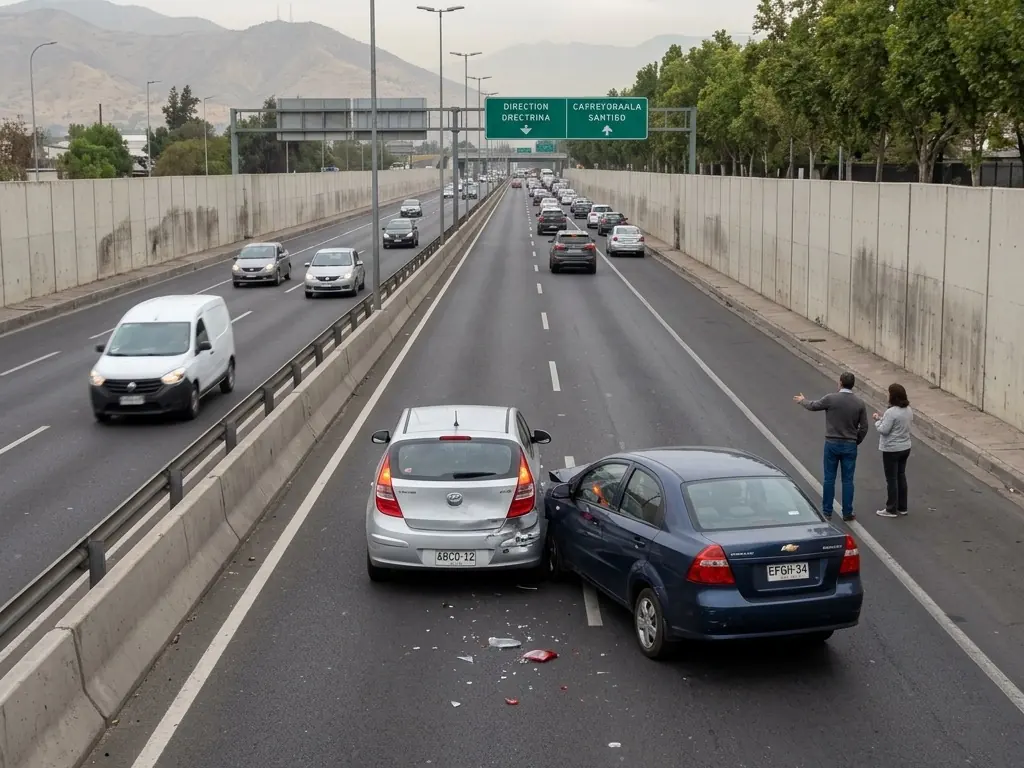 Road safety
A collision or disabled vehicle on the road.
Read More →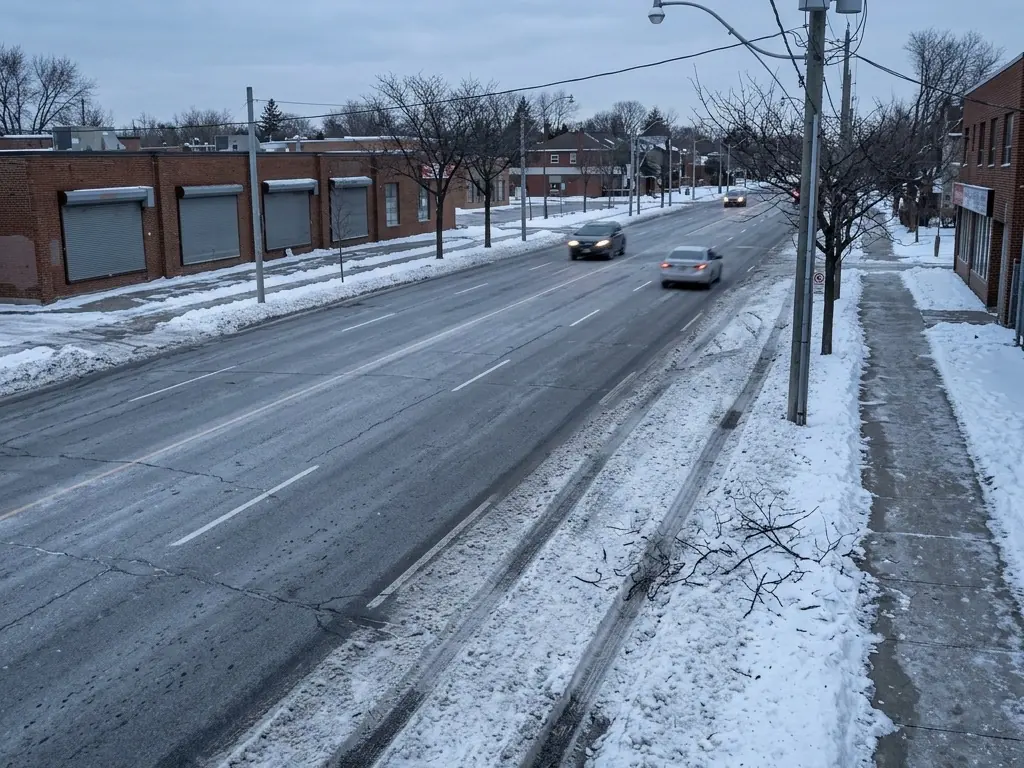 Road maintenance
Objects blocking a lane or crossing.
Read More →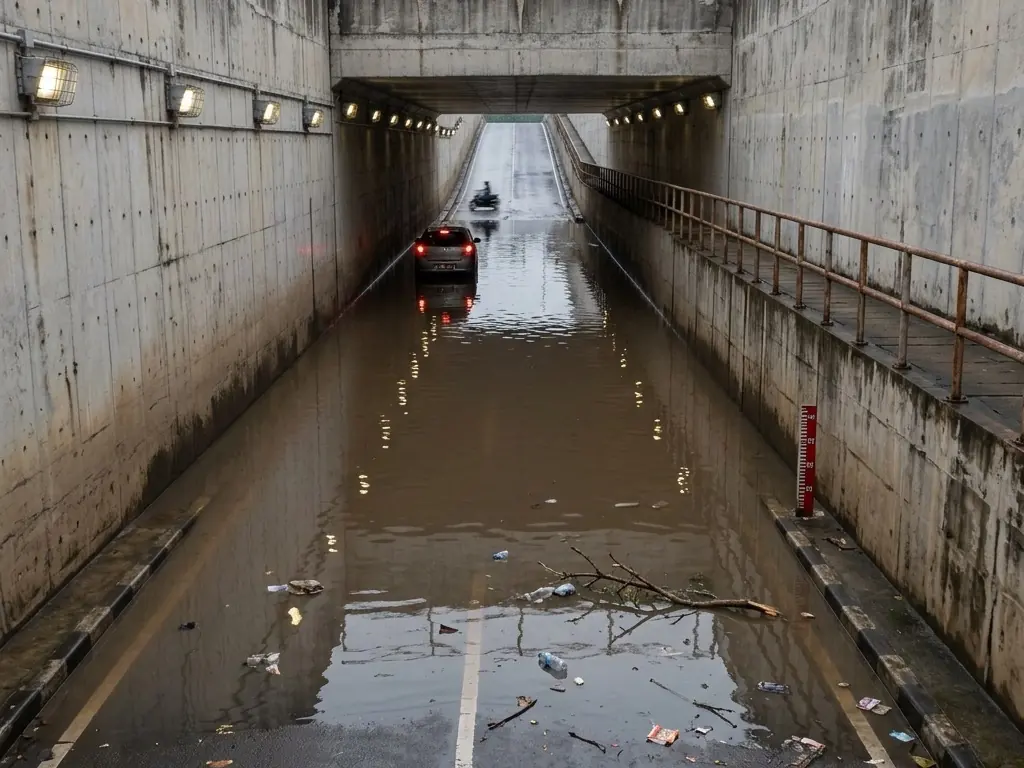 Flooding
Water accumulating in an underpass or street.
Read More →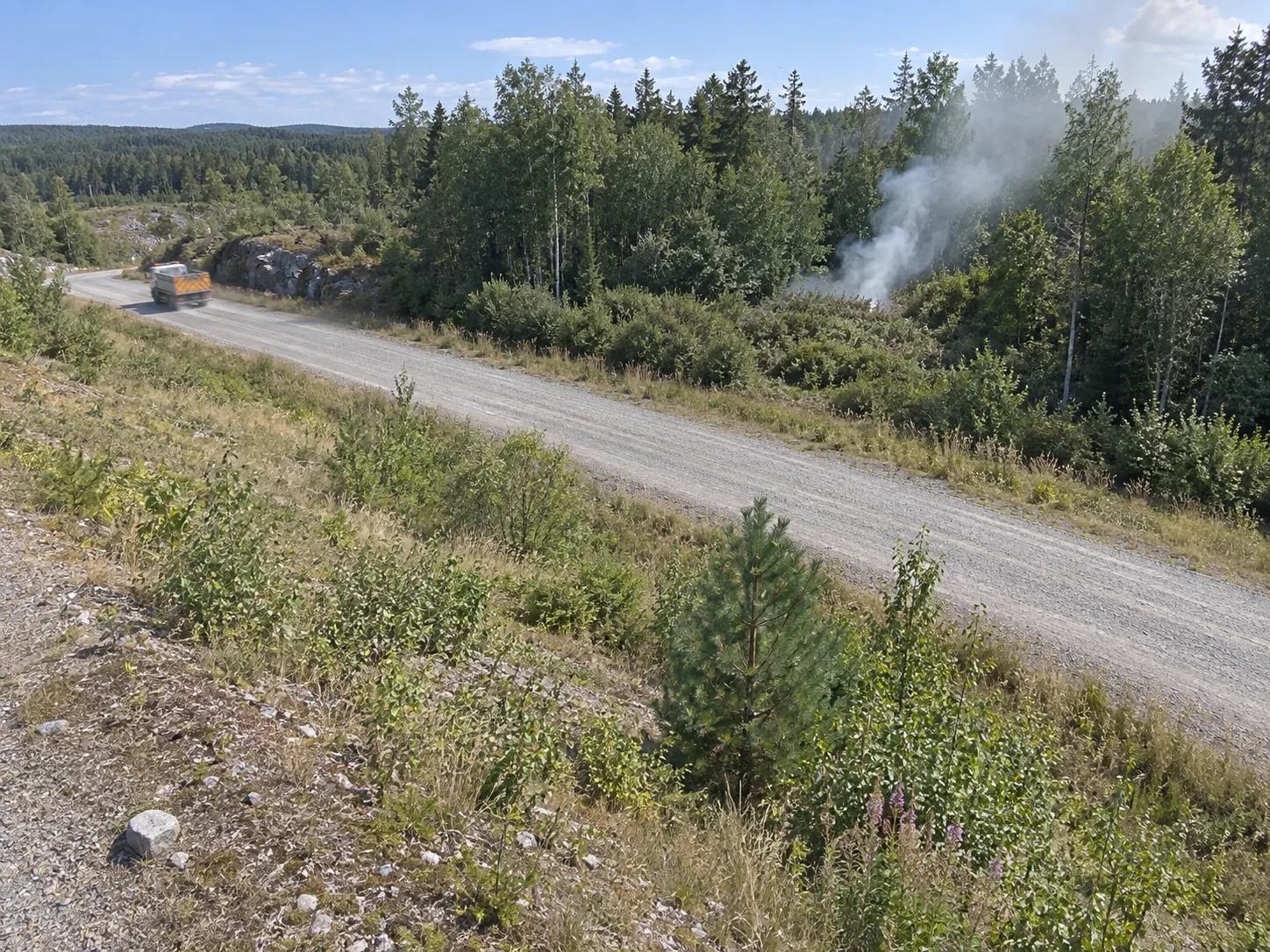 Fire & smoke
Visible smoke or fire near open land.
Read More →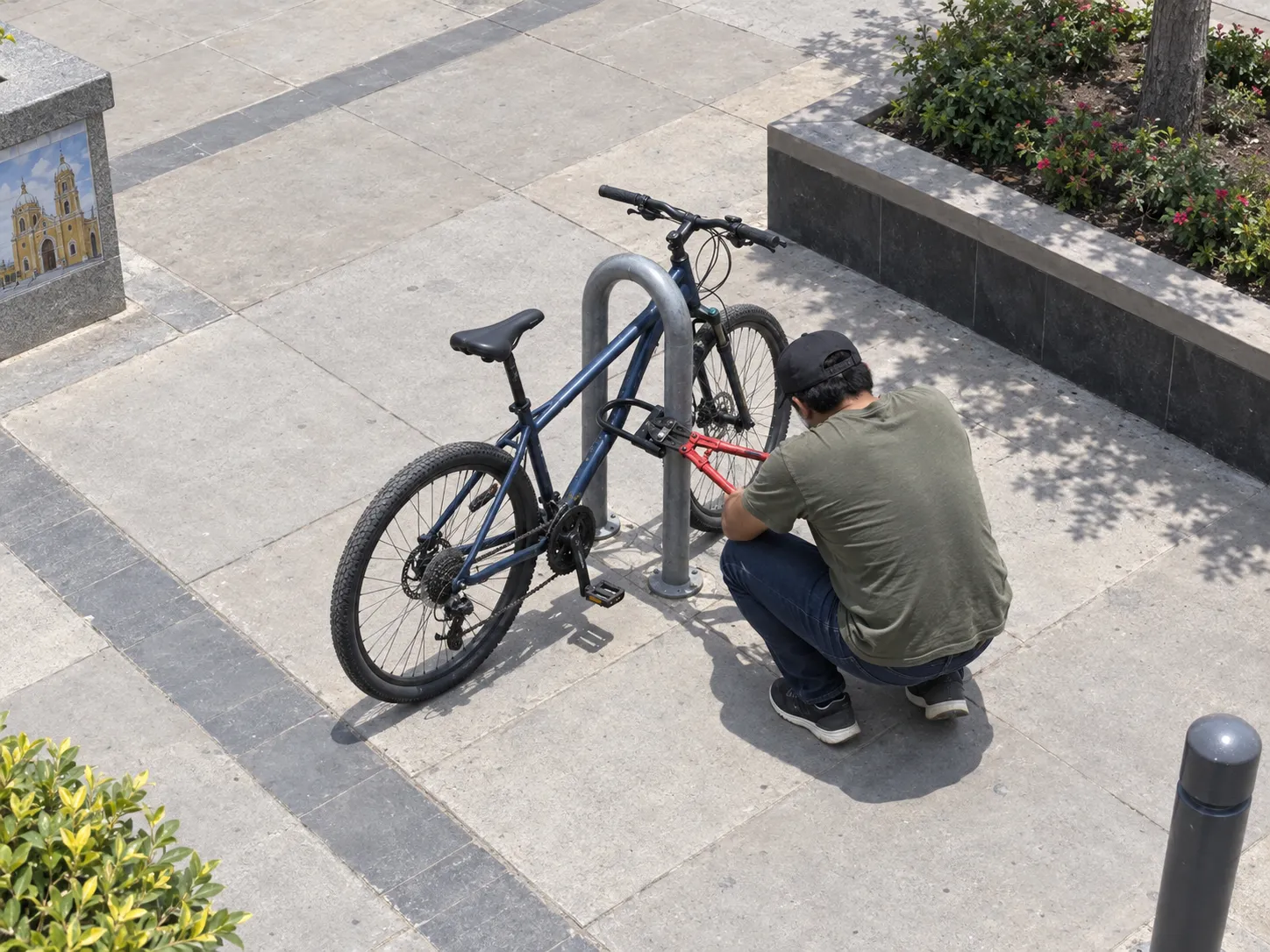 Theft
TheftSomeone forcing a bicycle lock.
Read More →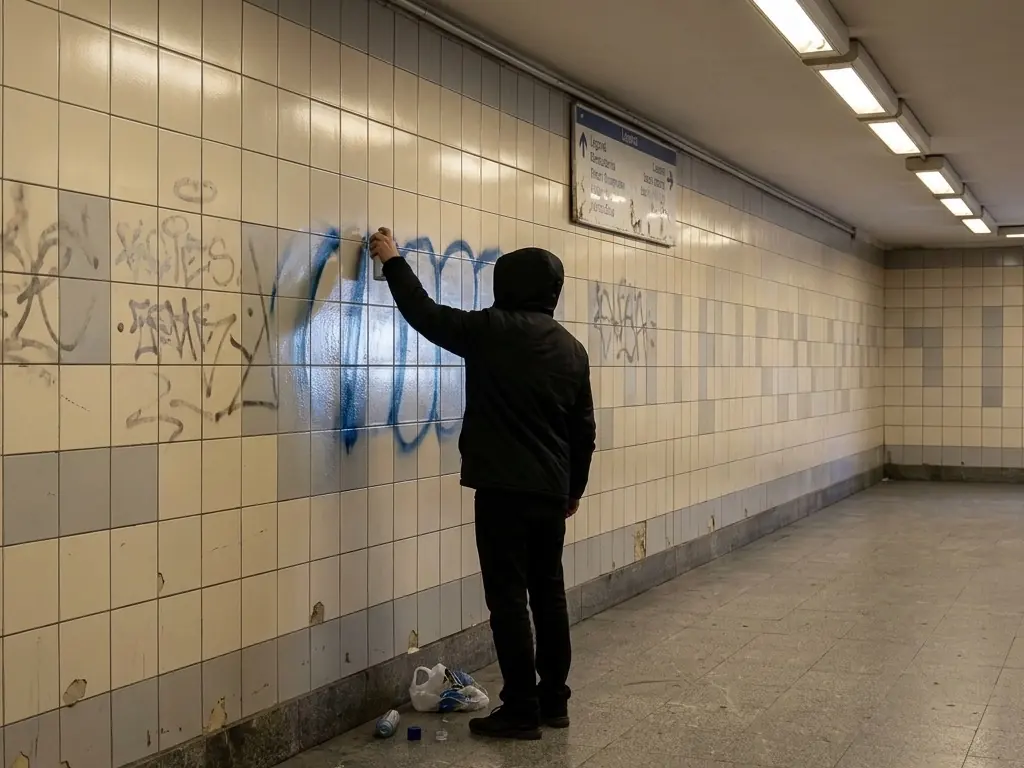 Public space
A person spraying or marking a surface.
Read More →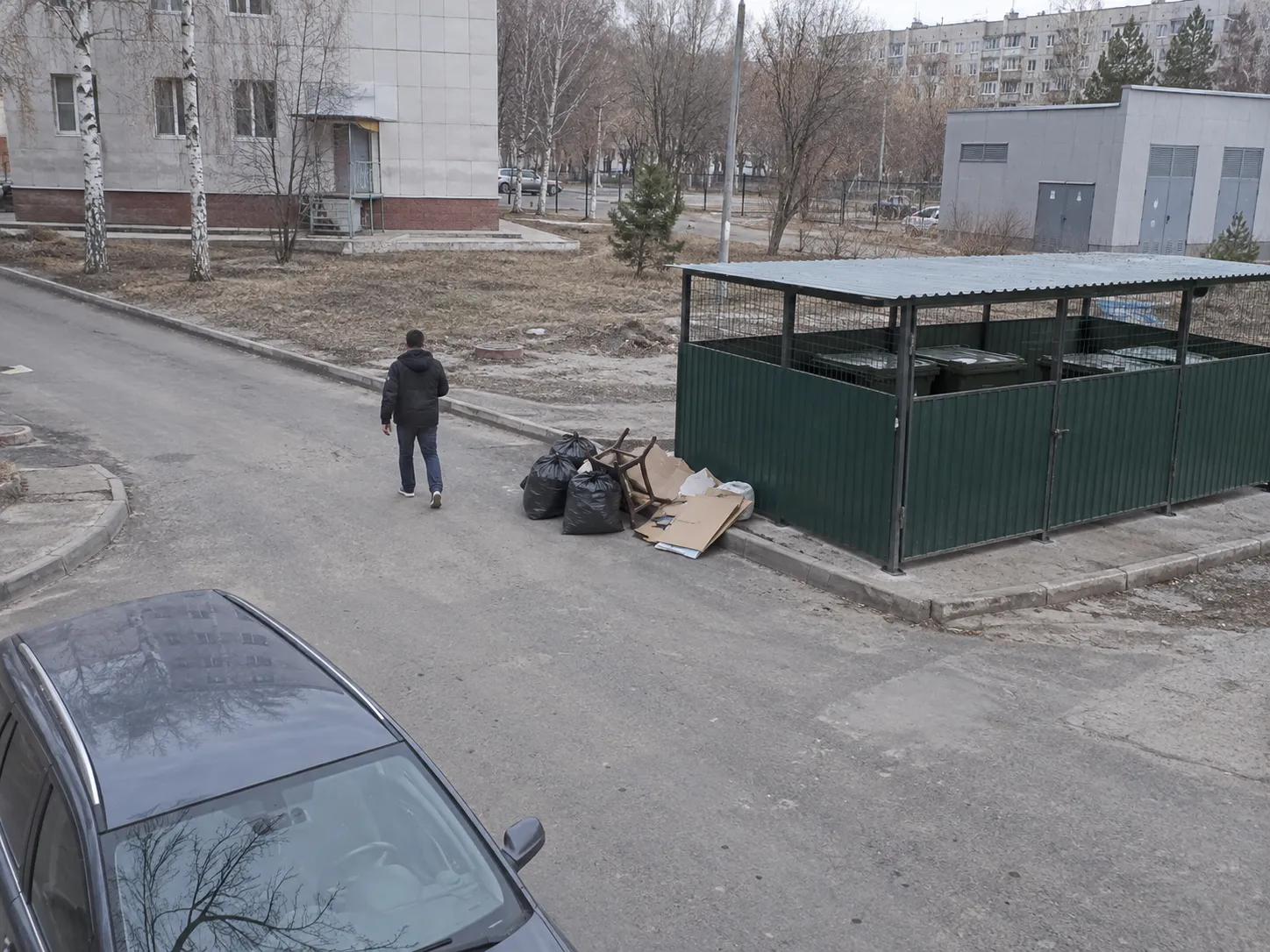 Municipal services
Waste left in a monitored public space.
Read More → Transit safety
A bag left apart from its owner.
Read More →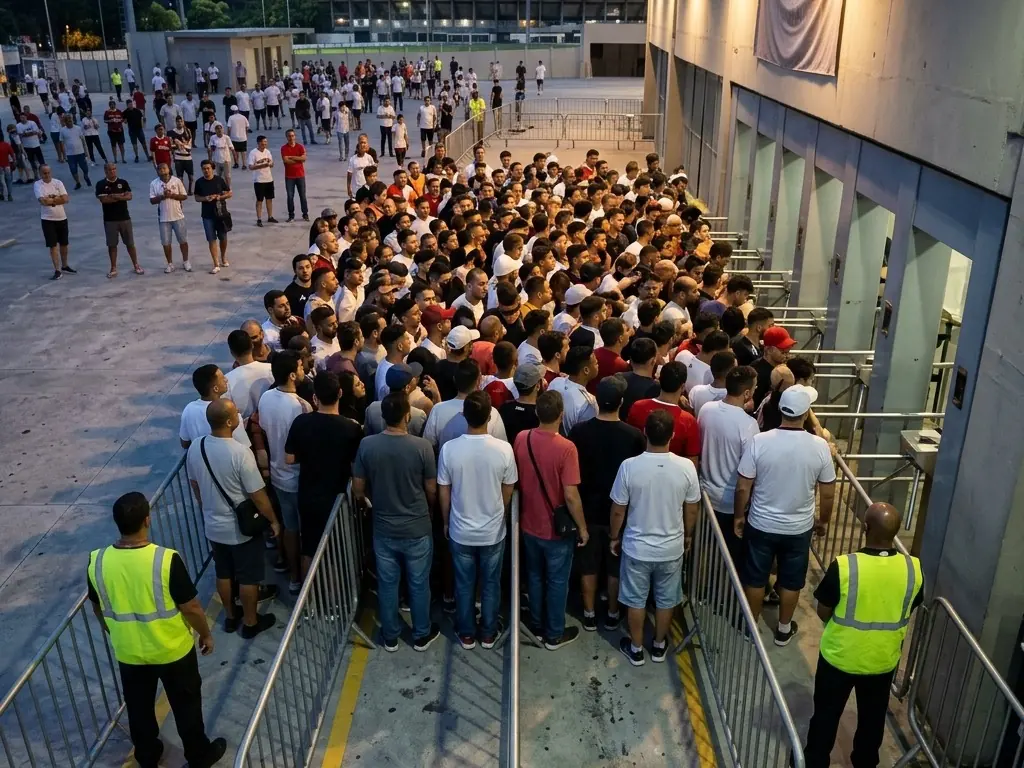 Crowd safety
A crowd reaching a risky density.
Read More → Crossing safety
A vehicle failing to yield to a pedestrian.
Read More → Pedestrian space
A motorbike entering pedestrian space.
Read More →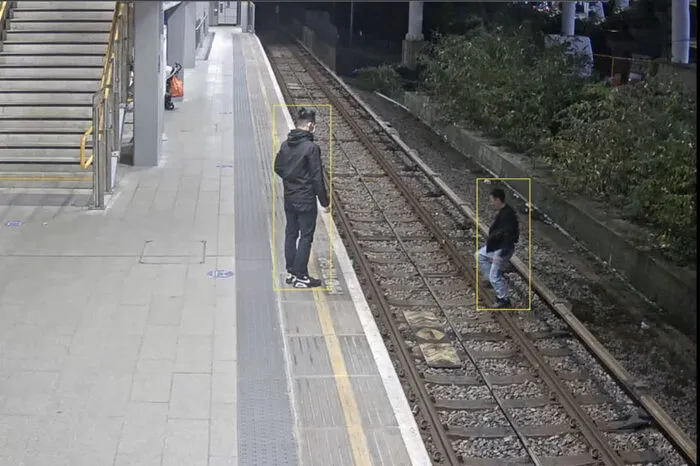 Rail safety
Someone entering the track area.
Read More →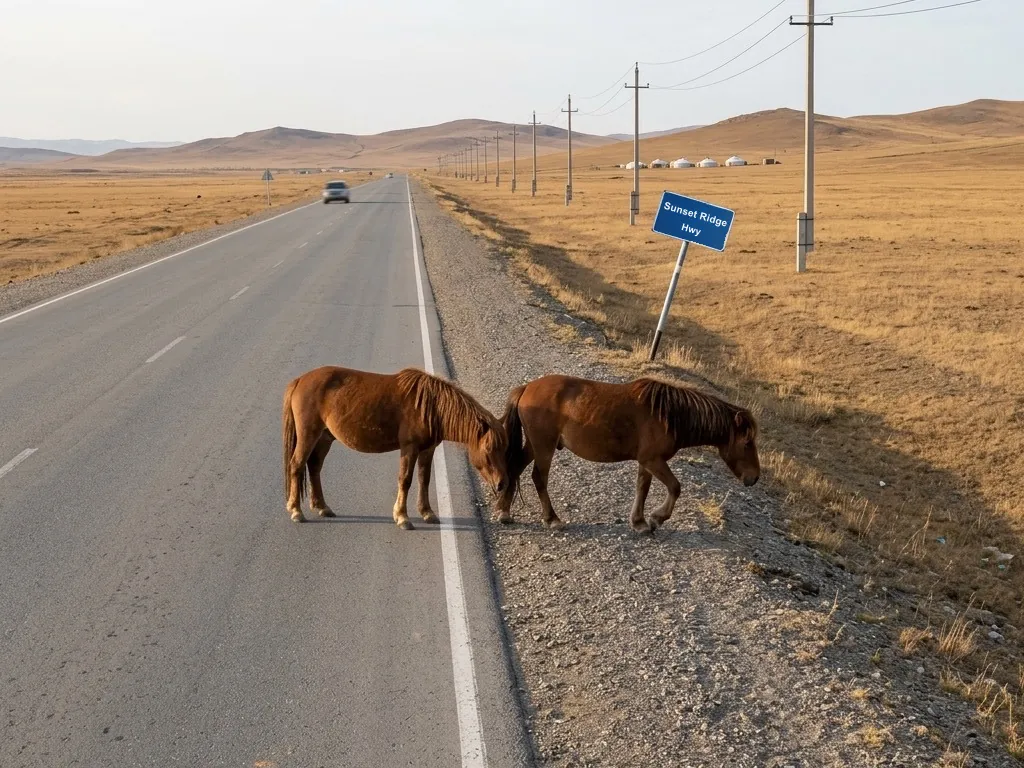 Road safety
Livestock or wildlife in a traffic lane.
Read More → Site security
Entry into a restricted area after hours.
Read More →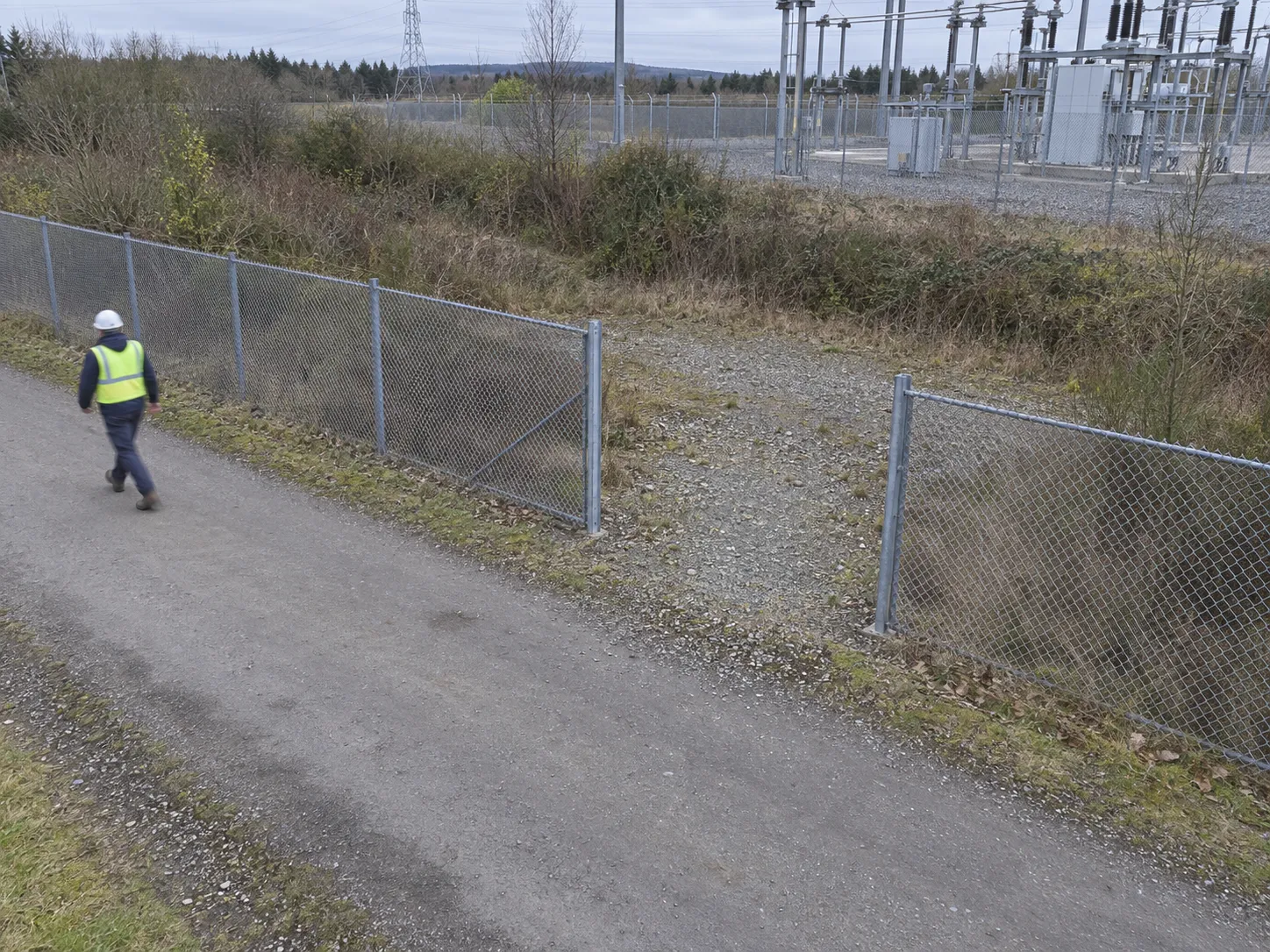 Perimeter
A broken section of a security perimeter.
Read More → Airspace
A person launching a drone nearby.
Read More → Corrections
A phone or tablet visible in a restricted area.
Read More →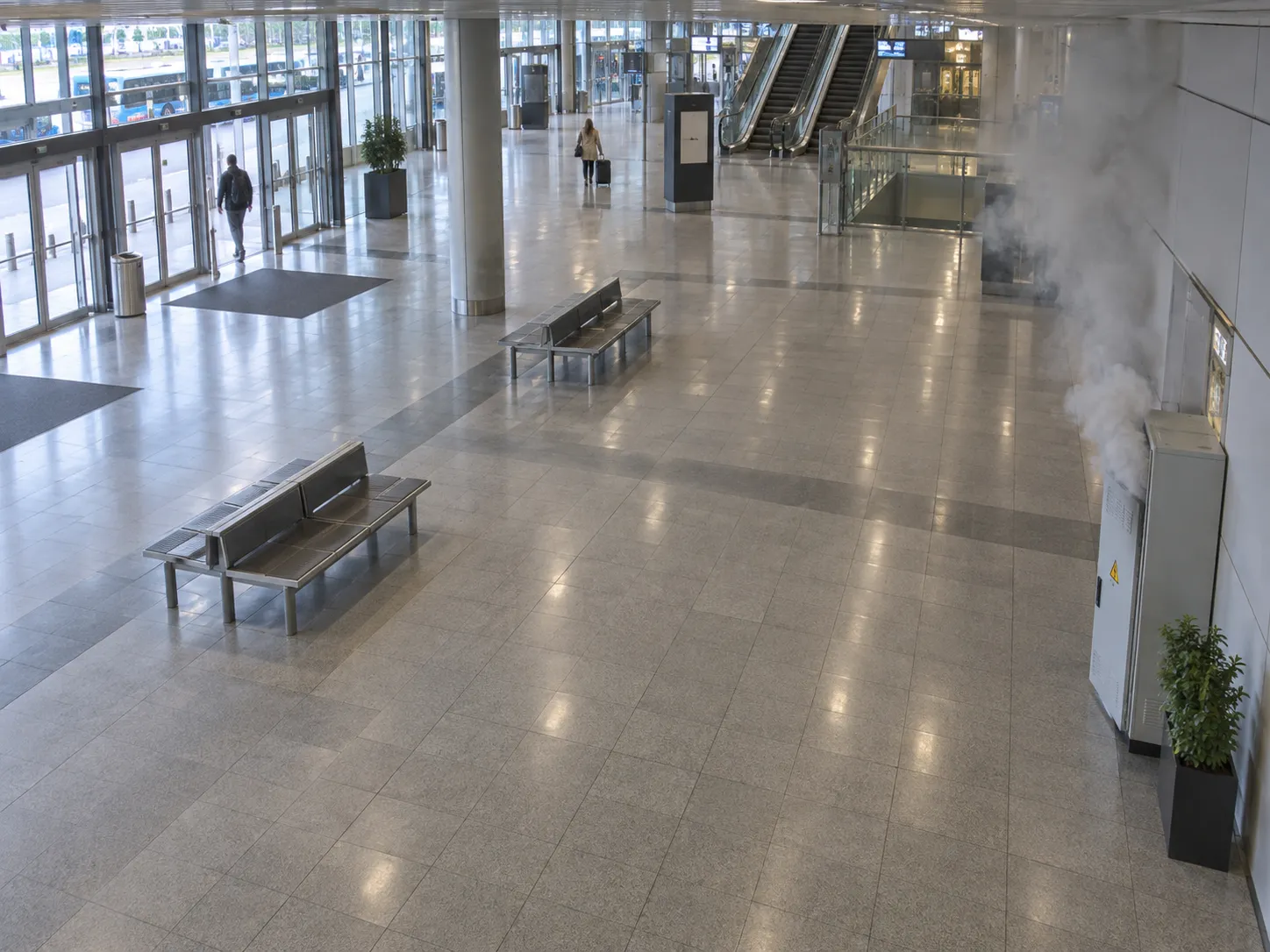 Fire & smoke
Smoke visible inside a terminal or building.
Read More → Worker safety
A worker near machinery without required gear.
Read More → Camera health
A blocked or degraded camera view.
Read More → Site security
A vehicle where access is limited.
Read More → Related trained module
A two-rider motorcycle near an ATM. Explore the related trained module and let an officer review the clip.
Read More →How It Differs
No data collection, no labeling, no per-use-case model. A new detector is a sentence and it works from the moment you save it.
Designed to replace and unify several legacy modules, including fire detection, video-quality monitoring and tamper detection.
Confidence threshold, alert cooldown and event type are set individually, so a noisy condition does not flood the operator.
Every prompt, analyzed frame, alert and agent action is logged with timestamp, operator identity and Case ID, under role-based access.
StreamVLM events flow into the same three modes as classic modules: real-time alerts, investigations over the archive and big-data export.
A prompt-defined detector sits inside the same ethics framework as the trained modules, including the narrow-constraints rule.
Keep Reading
Bring the conditions your city actually worries about. If a prompt can describe it, we can usually show you a detector for it in the pilot.
StreamVLM runs on a GPU node in the customer instance. Whether a specific deployment is in scope is confirmed with IREX engineering rather than promised in advance.
No. StreamVLM is included in the standard IREX price with no separate license, module, or subscription fee. Where a deployment needs a local GPU node for VLM inference, that node is sized and priced with IREX engineering.
Several. A camera channel carries multiple prompt-defined detectors at once, each with its own confidence threshold, alert cooldown and event type. IREX does not yet publish a per-camera ceiling: how the density scales depends on the customer’s hardware and it is measured on your own cameras during the pilot.
It is designed to unify several of them, including fire detection, video-quality monitoring and tamper detection. The trained high-frame-rate detectors remain the right tool for tracking people and vehicles at speed.
An open-weight vision-language model published by a third party and used as published: IREX does not fine-tune it or alter its weights, pins it by version and checksum and serves it only on designated endpoints inside your instance, on the instance’s own GPU node. No frame, prompt or verdict leaves the instance and no third-party cloud inference is used on any instance in any region. The model makes no tool calls, keeps no memory between frames, has no access to the archive, the event database, watchlists, other cameras or the network and has no biometric function: it judges scenes and conditions and cannot identify a person. IREX does not publish which model it is; the identity, version and checksum are disclosed to a customer under NDA, because a named model is an attack surface and a fact that goes stale. Part B of the public AI Model Governance Policy sets all of this out.