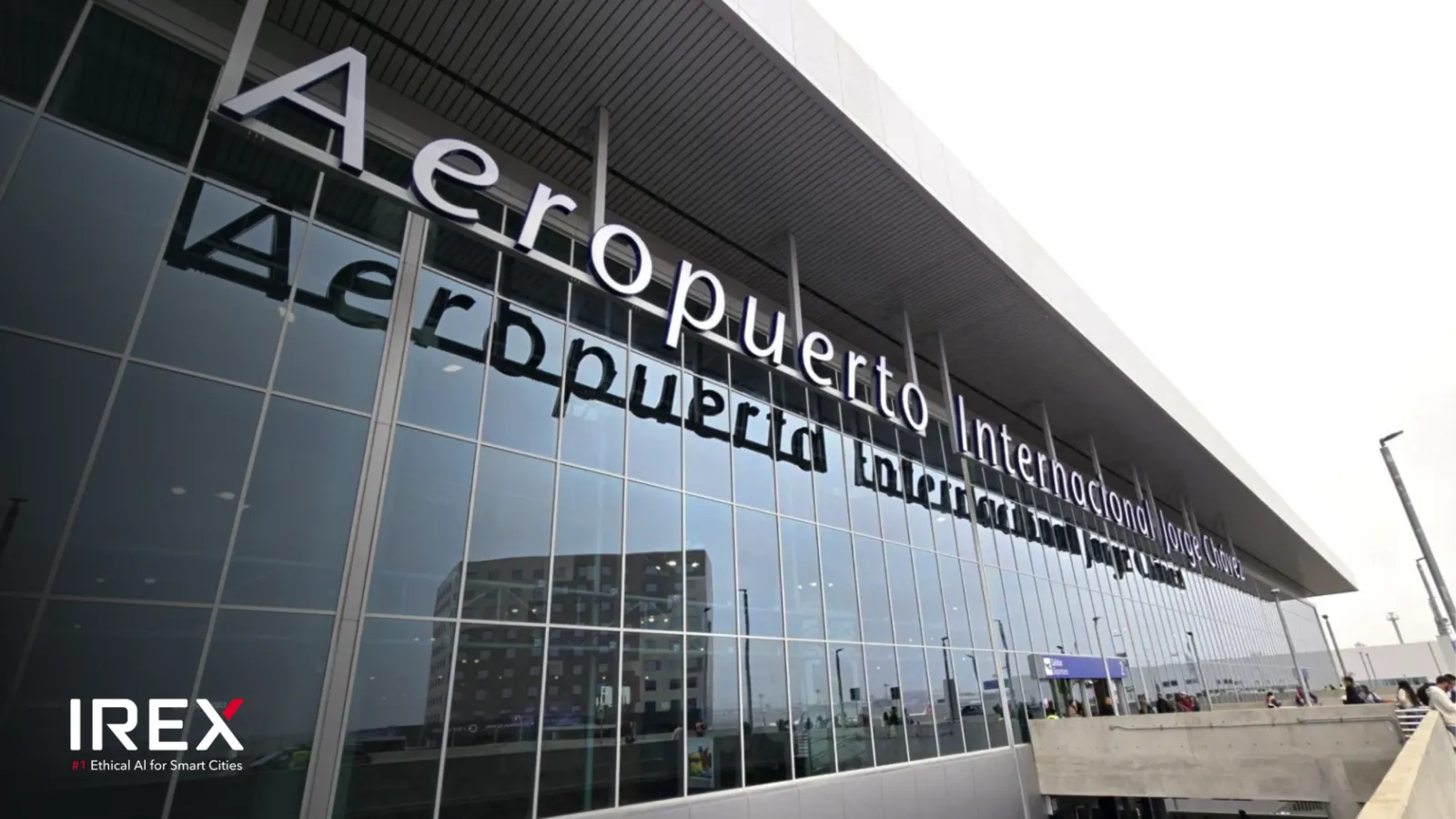
IREX Brings AI-Based Airport Security to Peru, Connecting Existing CCTV Infrastructure

LIMA, Peru — May 12, 2026 — IREX today announced a new smart airport security positioning for Peru built around cloud-based video intelligence, connected transport visibility and…
LIMA, Peru — May 12, 2026 — IREX today announced a new smart airport security positioning for Peru built around cloud-based video intelligence, connected transport visibility and checkpoint-based identity verification designed to strengthen safety while preserving operational efficiency. The approach is designed to work with existing CCTV cameras and standard hardware, allowing airports and public authorities to cost-effective security modernization without replacing core surveillance infrastructure.
At Jorge Chávez International Airport, this model aligns with Peru’s broader airport modernization and transportation connectivity efforts, including new public transport links feeding directly into the new terminal. By linking terminal operations, security teams and transportation access points into a single operating environment, the platform is intended to improve incident awareness, coordination and response across the airport ecosystem.
Unlike systems that require extensive infrastructure customization, IREX is built as a secure private cloud platform compatible with standard servers, cameras and connected devices. That architecture helps airports upgrade safety and operational visibility while protecting prior capital investments in CCTV and other installed hardware.
“Airports need better intelligence, not necessarily more hardware,” said Michell Andree Ballon Arce, an IREX Program Manager for the LATAM region. “The advantage of a cloud-based model is that airports can use the infrastructure they already have, strengthen security faster, and avoid the cost and disruption of replacing entire CCTV networks.”
A central part of the airport use case is checkpoint-based identity verification. In this model, a traveler presents a passport or other identity document at a staffed control point, and the system supports a one-to-one comparison between the live face and the photo tied to that credential, similar to TSA-style credential verification processes used at airport checkpoints in the United States. This framing is important because the intended use is controlled identity verification at a security checkpoint, not generalized monitoring of passengers moving through the airport.
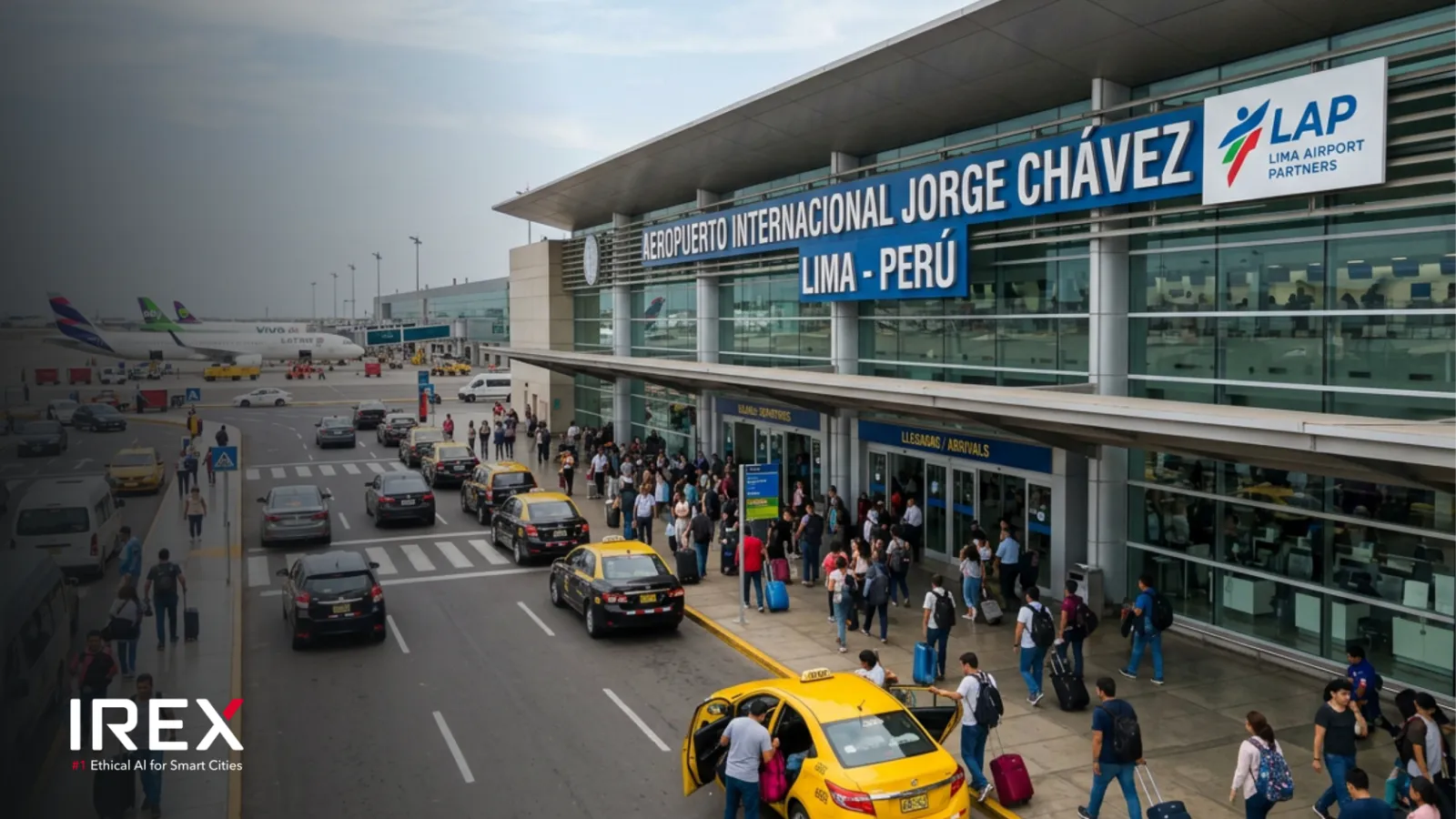
In Peru, Lima’s new Jorge Chávez airport is already using biometric screening technology through immigration kiosks selected by the national immigration authority, with those systems described as supporting the detection of individuals flagged with international alerts or active warrants. Within that broader checkpoint context, IREX is positioned to help officers verify identity documents more quickly, surface relevant alerts for officer review and support lawful border-security decision-making at the point of inspection.
The IREX platform is already deployed in major airport environments and supports security operations across more than 15 countries, with infrastructure spanning large-scale camera networks and critical transport environments. That international footprint reflects experience relevant to large aviation hubs in Europe, Asia and other regions where airport operators need to combine security, operational resilience and passenger throughput.
“Modern airport security has to connect the road to the terminal, the terminal to the checkpoint, and the checkpoint to the response team,” the spokesperson added. “That is what smart infrastructure means in practice — connected operations, faster decisions and stronger security using the systems airports already own.”