MURRIETA, CA - IREX, a global leader in Ethical AI and intelligent monitoring, announced a new feature in its Ethical AI Platform - appearance-based person re-identification. Investigators can now follow someone across multiple cameras without ever seeing their face clearly.
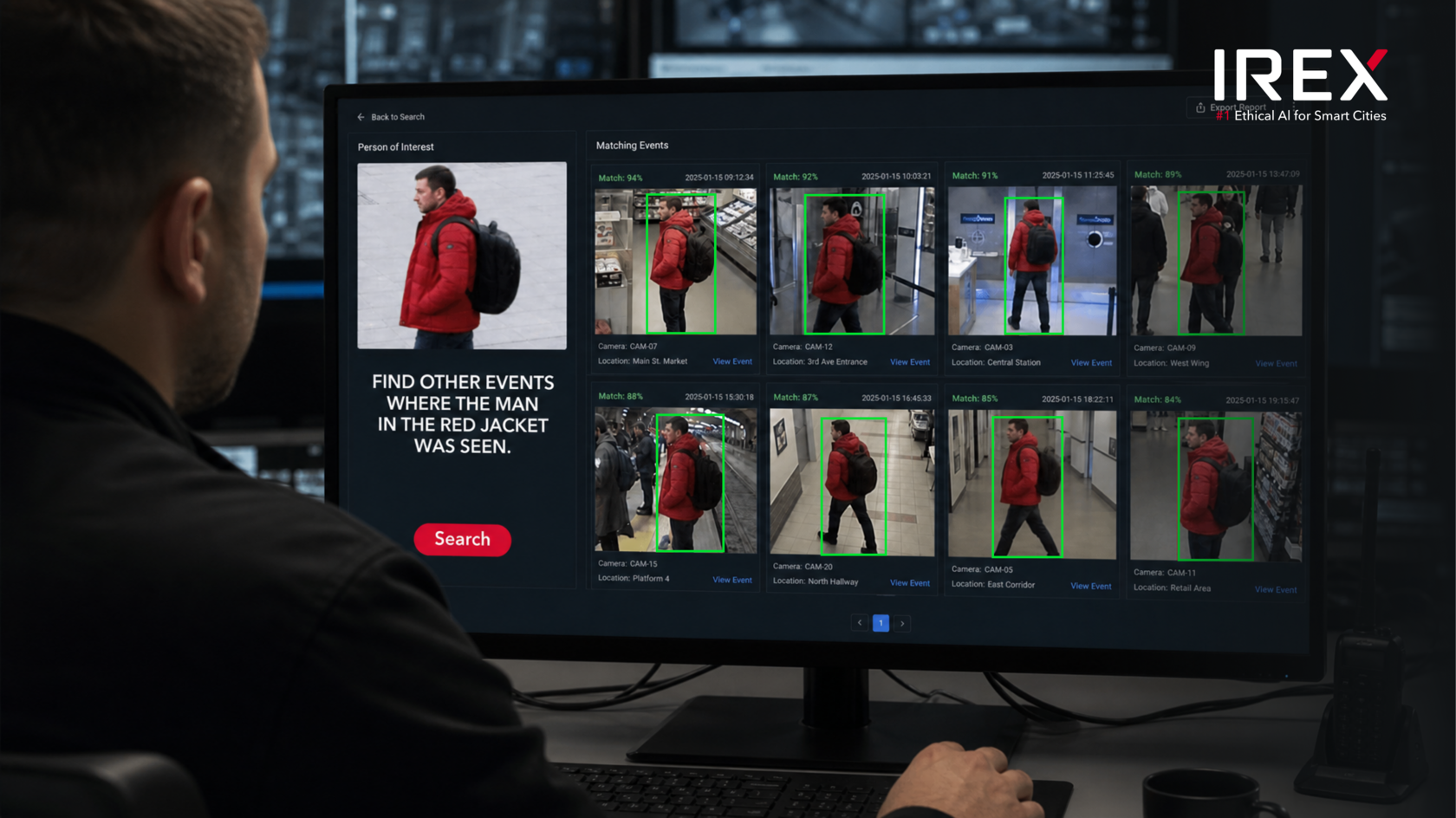
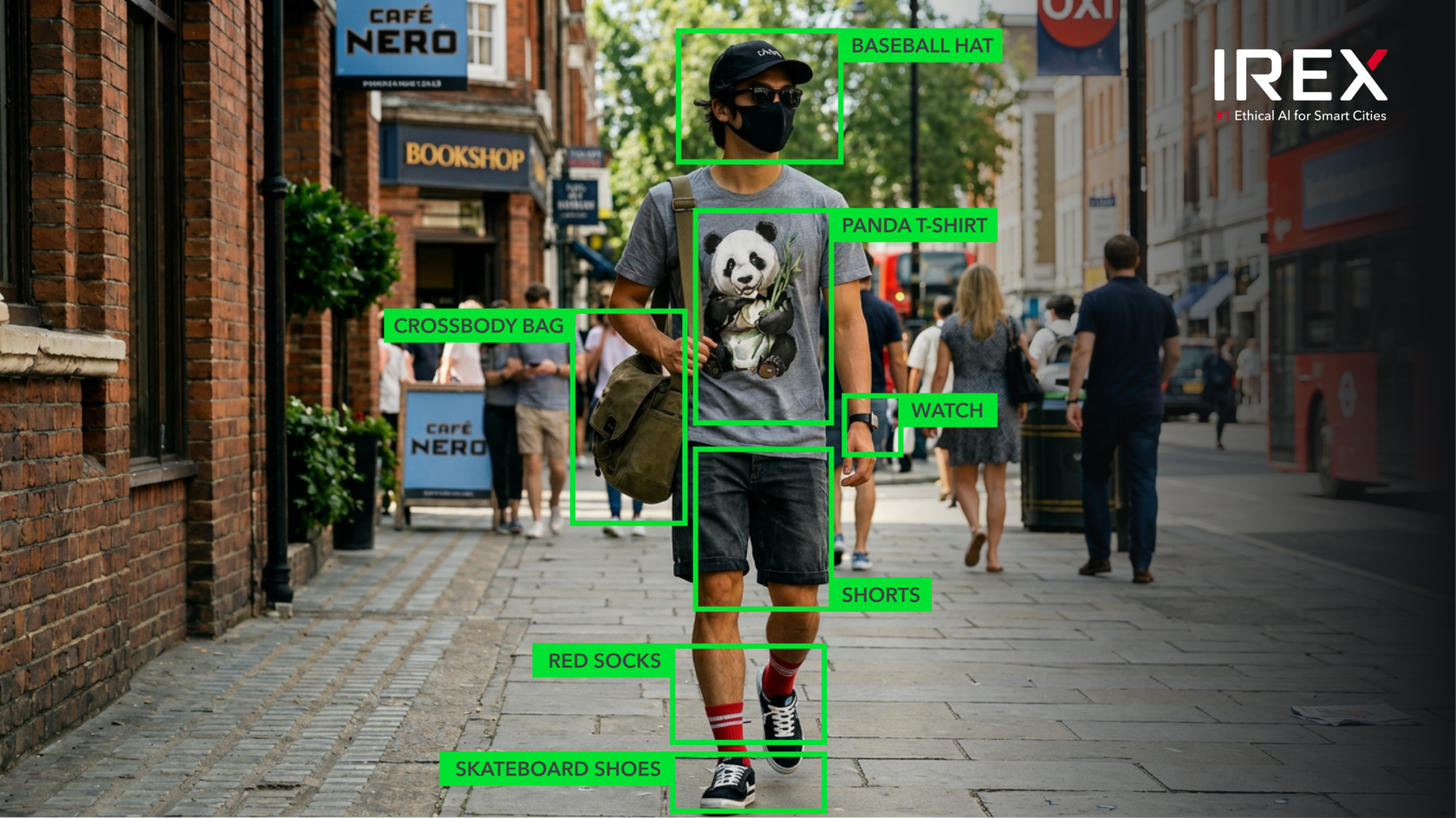
The feature, delivered through the platform's ObjectTrack module as silhouette-based search, builds an appearance descriptor for each detected person from visual cues or distinctive items. The system pays attention to everything that makes someone visually unique:
- Clothing: color, texture, style
- Items with strong visual characteristics: backpacks, luggage, hats
- Accessories: jewelry, bags, anything that stands out.
Operators can upload a photo of a person or pick one from an existing event, and the platform returns other events where a visually similar person was seen. The workflow mirrors the platform's established face-search experience, so existing security teams can adopt it with little new training.
"Faces are not always visible: people turn away, wear masks, or are captured from behind or above," said an IREX spokesperson. "Appearance-based re-identification gives investigators a lawful, practical way to maintain continuity on a person of interest across a camera network when facial recognition alone can not".
How it works
Re-identification is enabled per camera as an option within ObjectTrack. When active, the platform generates an appearance descriptor for every detected person and links it to existing events, without the need for new workflows or event types. Investigators then search by silhouette from the event-search page or directly from an event card, set a similarity threshold (default 80%), and evaluate matches by relevance. Every search is logged, ensuring all past search activity remains searchable.

Built on the same ethical principles
Appearance-based re-identification operates under the same Transparency by Design controls as the rest of the IREX platform. This feature is permission-restricted, every search is logged in a tamper-evident audit trail, and high-risk actions require a mandatory Case ID that links the activity to legal grounds, such as a police case file, court order, or a missing person report. IREX identifies only pre-registered persons of interest and doesn’t track random people in public settings.
Recommended use and known limitations
Re-identification heavily depends on a person having distinctive appearance features. People dressed in regular clothes or without any distinct items are difficult to differentiate. The more visually unique the person, the higher the confidence and accuracy of the match.
IREX is launching this feature with clear guidance regarding its optimal use and limitations.
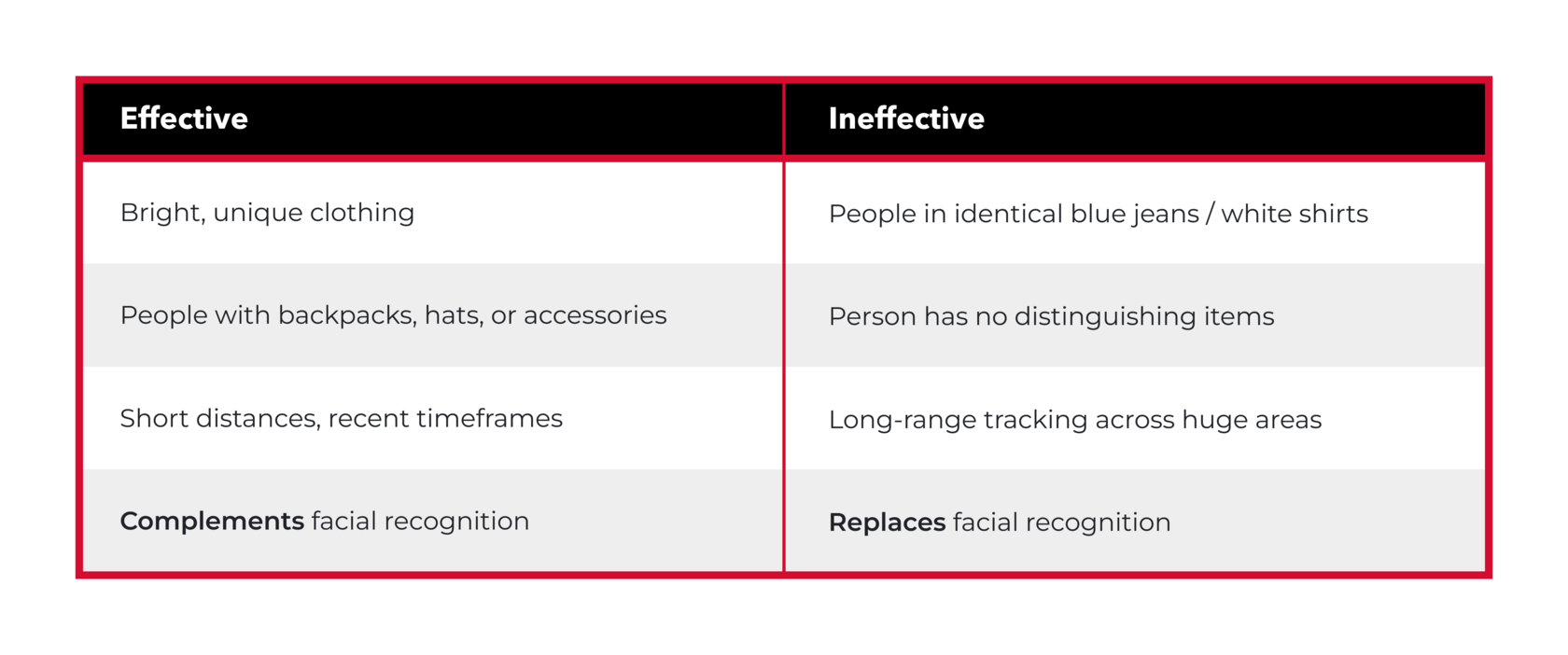
This feature is also less accurate than facial recognition. An appearance descriptor captures far less identifying information than a face and is sensitive to changes in pose, viewpoint, lighting and background. Re-identification is best understood as a complement to facial recognition, not a replacement for it.
For these reasons, IREX recommends using appearance-based re-identification to track people with distinctive features within a limited spatial and time scope, for example, following a specific individual across nearby cameras over a short time window during an active investigation, rather than for long-range or population-scale identification. Face recognition remains the preferred method wherever a usable face is available.